Concluded · September 2026
International
MDMA-Assisted Therapy Training
A Nonprofit Initiative Presented By
 +

September 20–26, 2026 · San Sebastiano da Po, Italy
67 mental health professionals took part in a 7-day education program in investigational MDMA-assisted therapy, led by MAPS' lead educators. Applications are closed; register your interest for the next edition.
Dates
September 20–26, 2026
6 nights / 7 days · concluded
Location
The Workation Village
San Sebastiano da Po, Piemonte, Italy
See venue photos
Language
English
B2/Upper-Intermediate required
Participants
67 professionals trained
Therapists and psychiatrists from Italy and abroad
Format
~55 Hours Total
15 online + 40 in-person
Type
Professional Education
No Experiential Sessions
About the Training
Program Purpose
This intensive education program equips mental health professionals with the theoretical fundamentals and best practices in psychedelic-assisted therapies. Designed for clinicians seeking to deepen their understanding of this emerging field, the curriculum covers the investigational treatment model developed through decades of MAPS-initiated research.
Program Context
With growing international interest in psychedelic-assisted therapies, the Italian edition joined a series of MAPS international trainings held in Australia, Bosnia-Herzegovina, Iceland, and Switzerland—building a global community of educated therapists and advancing the field of psychedelic-assisted therapy research.
Beyond the Training: Join the Network
Graduation marks the beginning, not the end. Participants join a thriving community of therapists who have participated in MAPS' education program, supporting and creating opportunities for more research and advocacy in psychedelic-assisted therapy research in the coming years.
Learning Outcomes
By the end of the program, participants are able to:
- Understand fundamental processes and concepts of investigational MDMA-assisted therapy
- Consider the role of identity and culture in therapeutic alliance
- Translate concepts of inner healing intelligence and inner-directed approach into practice
- Strengthen therapeutic alliance with clients through enhanced presence and attunement
- Engage in personal growth practices for grounding, self-care, and sustainability
Lead Educators
The program was taught by MAPS' most experienced investigational MDMA-assisted therapy educators

Marcela Ot'alora G., MA, LPC
Lead Educator, MAPS' Psychedelic Therapy Education Program
- •Over 25 years in private practice specializing in trauma and PTSD treatment.
- •MA in Transpersonal Psychology from Naropa University; MFA in Fine Arts.
- •Principal Investigator and Investigator on MAPS-sponsored investigational MDMA studies since 1999.
- •Understands healing as 'intimate re-connection with one's innate essence through love, integrity, compassion, and honoring of the human spirit.'

Bruce Poulter, MPH
Lead Educator, MAPS' Psychedelic Therapy Education Program
- •MPH from UC Berkeley in Health Planning and Policy.
- •Background in ICU nursing during the emergence of the AIDS pandemic.
- •Developed public health programs for vulnerable and marginalized populations.
- •Observer of the first government-approved investigational MDMA for PTSD study in Madrid, 1999.
- •Investigator in MAPS Boulder investigational MDMA for PTSD Phase 1, 2, and 3 trials.
- •Extensive harm reduction experience through the Zendo Project.
The Venue
A historic castle village in the heart of Piemonte, Italy — the setting of the 2026 edition
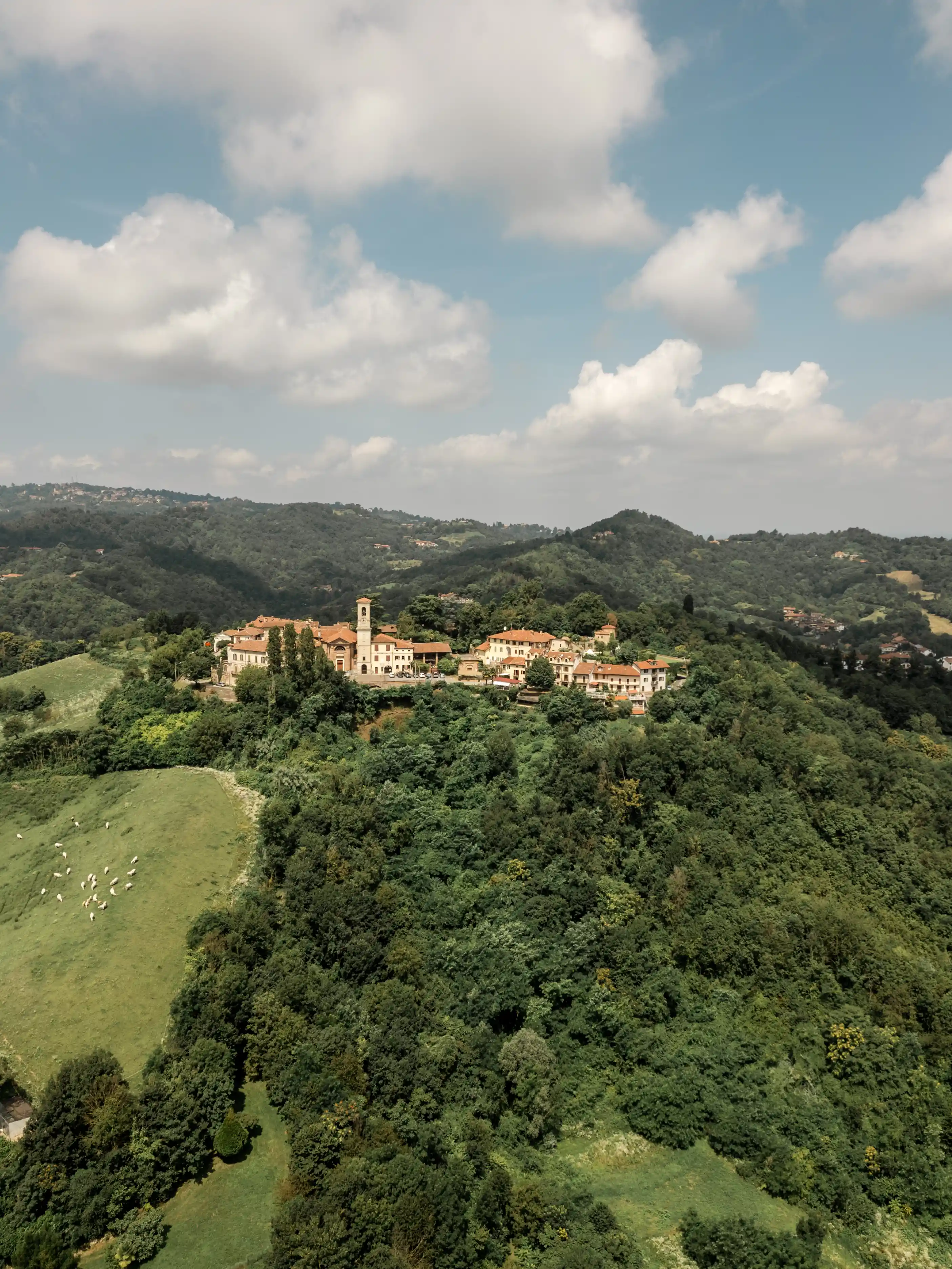
Aerial View
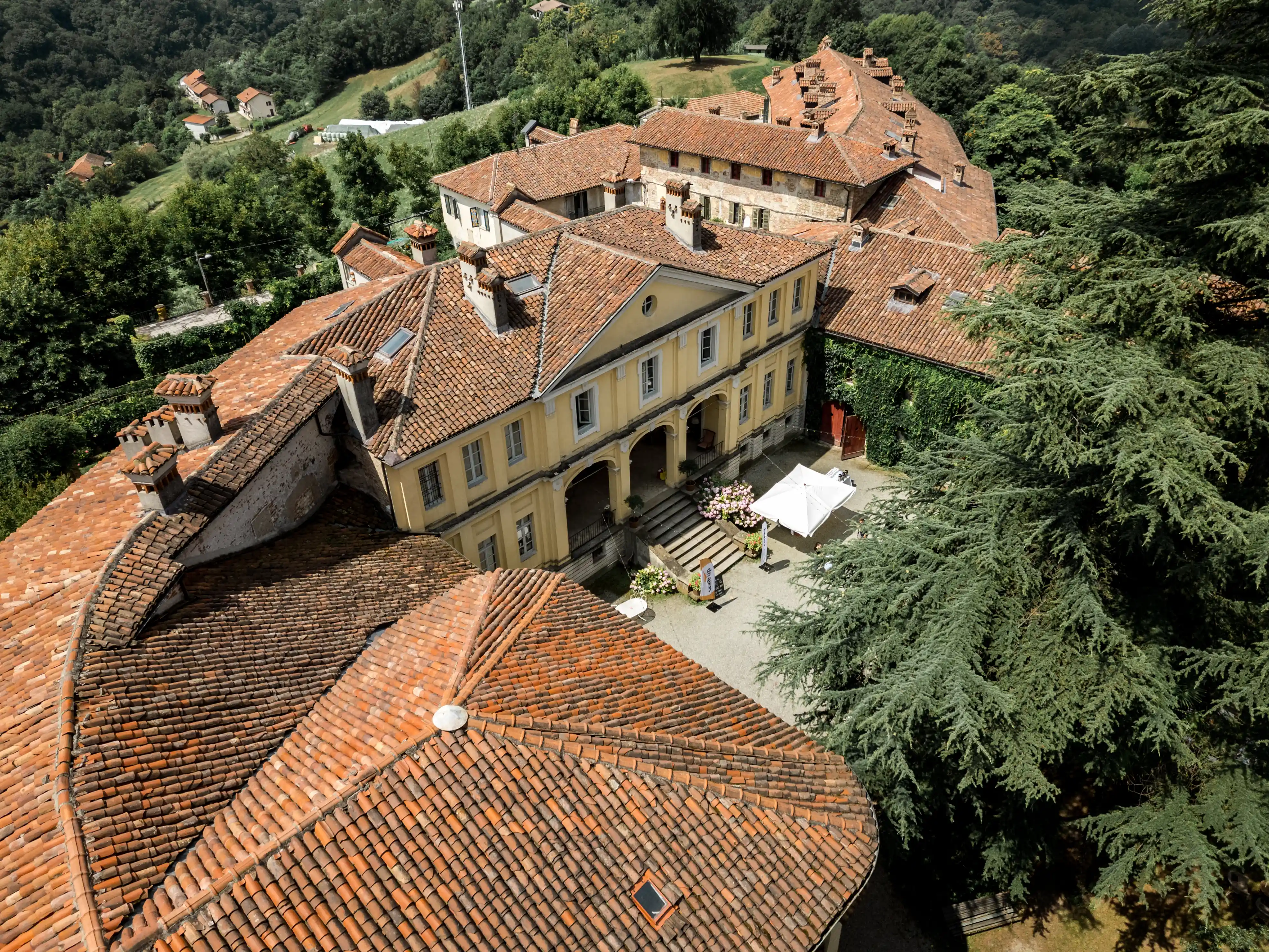
Castle Complex
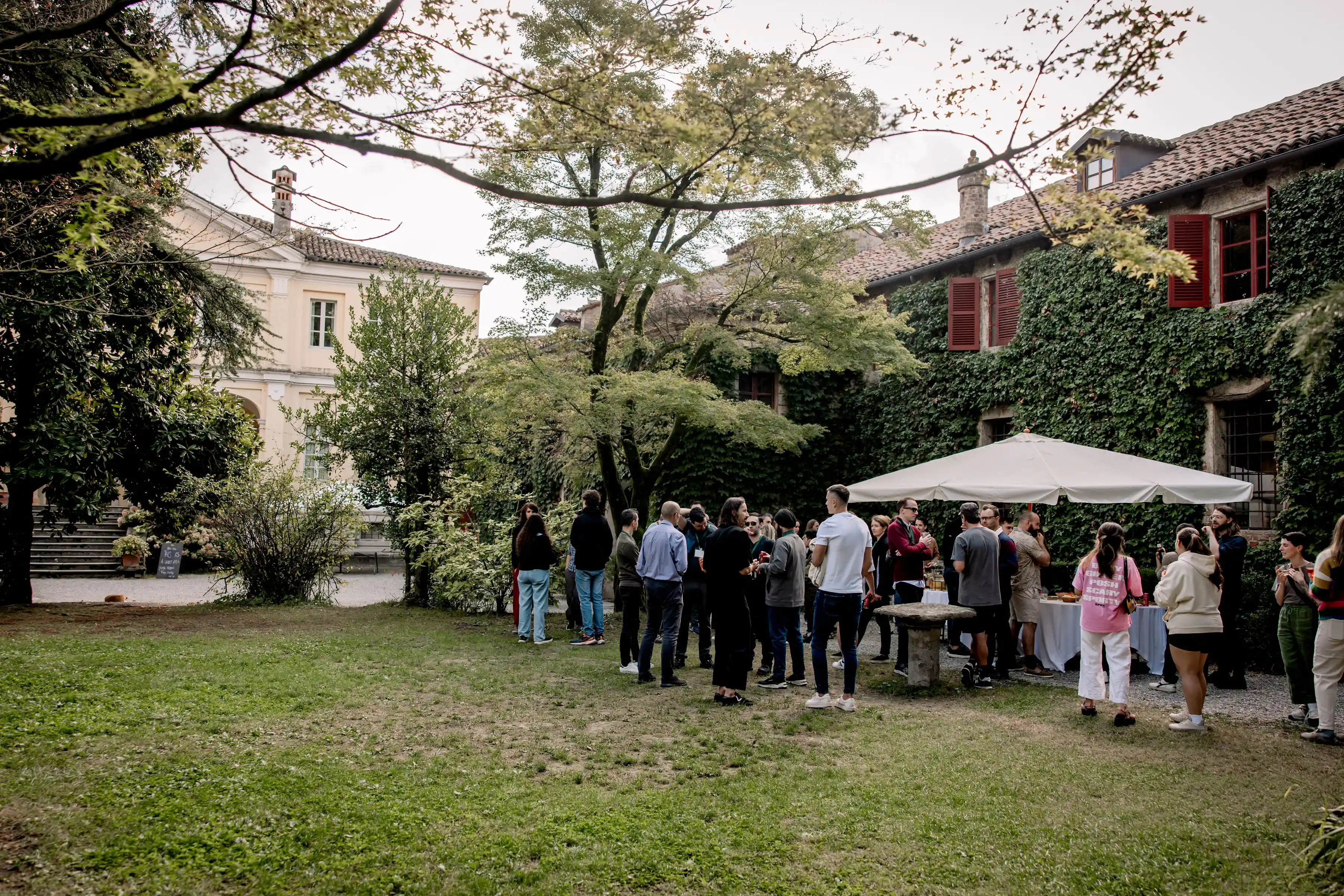
Village Courtyard

Tower Room

Private Suite

Fresco Suite

Sartoria Room

Mezzogiorno Suite

Private Terrace

Billiard Lounge
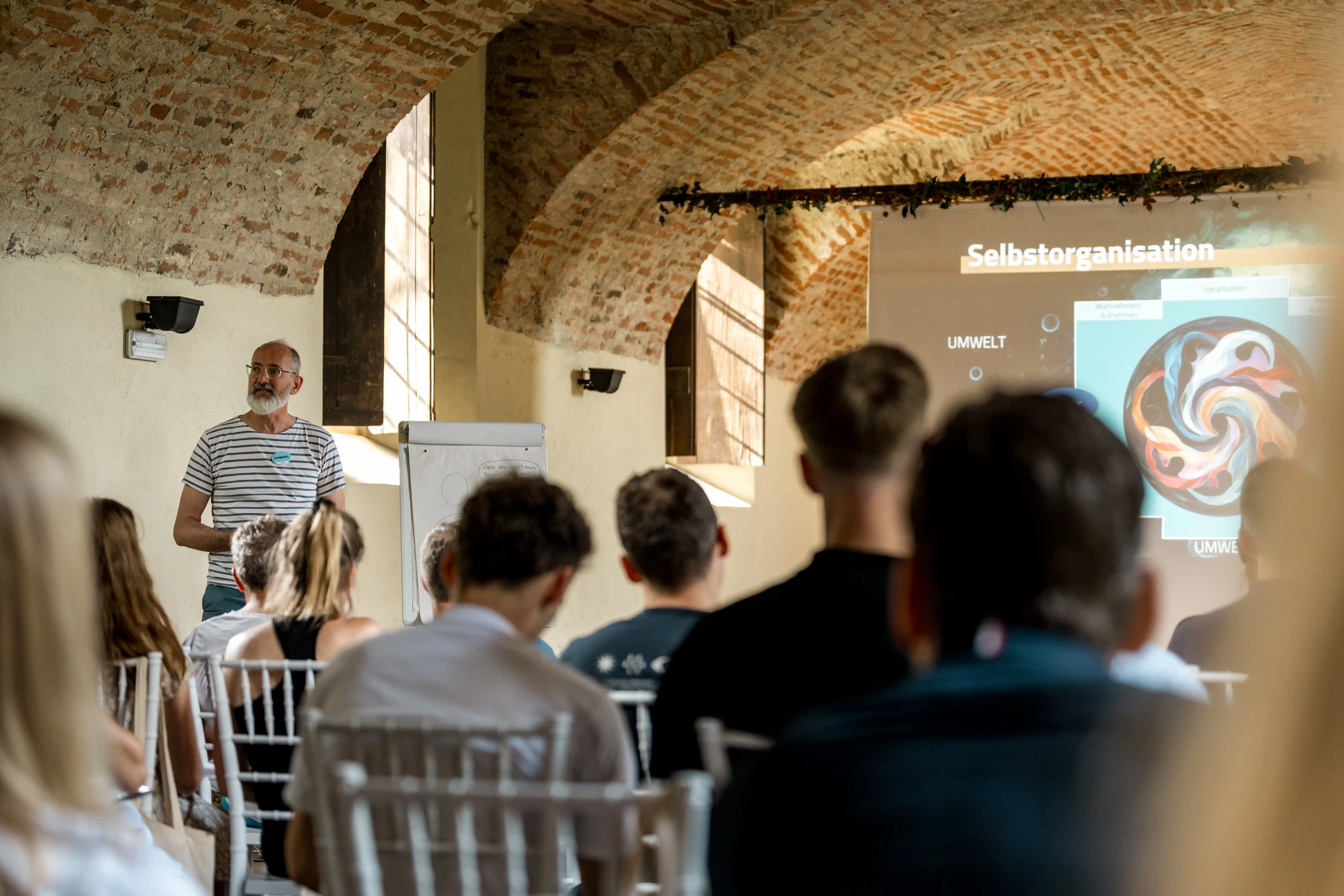
Seminar Space

Workshop Room

Dining Experience
Getting There
~1.5 hours from Milan Malpensa Airport (MXP) · ~45 min from Turin Caselle Airport (TRN)
About Investigational MDMA-Assisted Therapy
An educational overview of this investigational approach
What Is Investigational MDMA-Assisted Therapy?
Investigational MDMA-assisted therapy is a combined pharmacological and psychotherapeutic approach where MDMA is used as a catalyst to enhance the therapeutic process. The approach combines preparation sessions, MDMA-assisted sessions, and integration sessions within a carefully structured protocol.
Research from Phase 3 clinical trials showed that 67-71% of participants with severe PTSD no longer qualified for a PTSD diagnosis after treatment. The approach is being studied for trauma-related conditions including PTSD.
Core Therapeutic Principles
Inner Healing Intelligence
Trust in the participant's innate capacity to heal. The therapeutic approach supports access to this inherent wisdom, allowing participants to engage with the unfolding of their unique process.
Inner-Directed Approach
Non-directive stance where the therapist follows the participant's process through invitation rather than direction, supporting whatever arises.
Empathic Presence
Creating a non-judgmental environment through deep listening, unconditional positive regard, and authentic emotional attunement.
Therapeutic Alliance
Building safety, trust, and openness through the therapeutic relationship, which serves as the foundation for healing work.
Set, Setting & Support
Careful preparation of the physical and emotional environment, ensuring safety and creating conditions conducive to therapeutic processing.
Integration
An ongoing process to anchor insights and experiences into daily life, supporting lasting change and continued growth.
Curriculum & Topic Areas
The education program covers three interconnected phases of learning
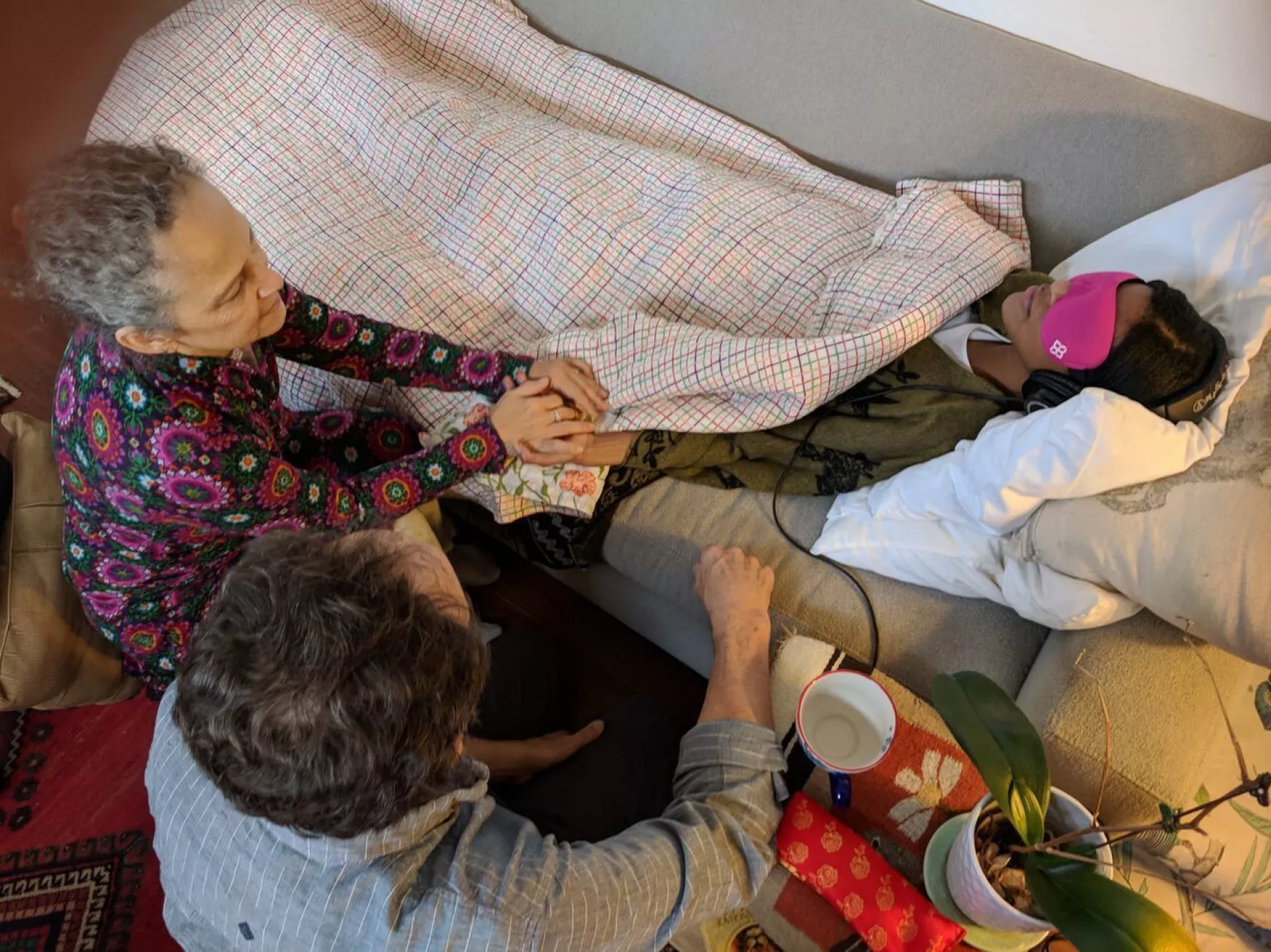
From the Coursework
Video Case Presentations from Actual Clinical Trial Sessions
The curriculum includes video case presentations from real investigational MDMA-assisted therapy sessions, role play activities, self-reflection activities, group and dyad activities, and other coursework.
Throughout the program, several case presentations are shared by means of video recordings of actual therapy sessions from MAPS-initiated MDMA-assisted therapy for PTSD trials. We have received consent from every participant who is shown throughout the program to share their session videos in the MDMA-Assisted Therapy Education Program. We share these videos with deep respect and gratitude to the participants and the enormous courage, strength, and vulnerability that they have displayed on their path to wellness.
Preparing
- • Historical Context
- • Clinical Knowledge
- • Nonordinary States of Consciousness
- • Self Awareness
- • Self Identity
- • Culture and Identity
- • Self Care
- • Self Management
- • Preparation
- • Inner Directed Approach
Exploring
- • Inner Healing Intelligence
- • Curiosity and Mindfulness
- • Therapeutic Alliance and Trust
- • Transference and Countertransference
- • Therapeutic Process
- • Therapeutic Presence
Engaging
- • Safety
- • Therapeutic Setting
- • Somatic Experience
- • Team Dynamics
- • Integrity
- • Integration
Topics are integrated throughout the program week, building upon each other through didactic sessions, video review, small group work, and practice scenarios.
Program Schedule
September 20–26, 2026 · How the seven days of learning and practice were structured
Daily Rhythm
Day-by-Day Overview
Sunday
Sep 20
Monday
Sep 21
Tuesday
Sep 22
Wednesday
Sep 23
Thursday
Sep 24
Friday
Sep 25
Saturday
Sep 26
Voices from MAPS Programs
MAPS has held international trainings in Australia, Bosnia-Herzegovina, Iceland, Switzerland, Poland, Ukraine and now Italy - bringing together mental health professionals from 40+ countries.
"Thank you for this incredible opportunity, which was nourishing on personal and professional levels, alike. On top of it being one of the best learning experiences, it was also a massive life-confirming experience in the world ridden by devastation. I walked out with an informed, grounded, yet expansive outlook on PAT - which not only helped me to understand MDMA-assisted therapy, but also to realize where my work role/mission fits in a larger picture."
— Program Participant
"The program was well planned, and extremely well delivered. The organization was impeccable thank you. Adaptations and accommodations were made along the way as per the group's overall needs. Wonderful coordination and what a learning experience. An immense thank you to the MAPS team, our trainers, the [partner's] team, and all the organizers who brought this to life."
— Program Participant
"This learning experience was deeply nourishing."
— Program Participant
"Every person on staff demonstrated deep commitment, responsiveness, and support. Besides great modeling, what I also received was a better understanding of the company's culture and values of MAPS. I felt that staff members were aligned and present in the highest honorable professional way."
— Program Participant
Applications for 2026 are closed
The September 2026 cohort is complete. If you would like to be considered for future MAPS Italia trainings, register your interest below and we will contact you when a new edition is announced.
Who is the training for?
- Licensed mental health practitioners (psychologists, psychiatrists, psychotherapists)
- Those authorized to practice therapy according to local regulations
- Practitioners with experience in PTSD treatment (prioritized)
- Professionals committed to full, uninterrupted participation
What the form asks
Personal & Professional Information
- • Contact details
- • Education and licensure
- • Clinical settings and experience
Clinical Experience
- • Total therapy hours
- • PTSD treatment experience
- • Work with marginalized communities
Training Background
- • Post-graduate psychotherapy training
- • Relevant certifications
- • Continuing education
Written Responses
- • PTSD experience reflection
- • Interest in war-affected populations
- • English proficiency self-assessment
Participation Requirements
- 1.Ability to view emotionally intense treatment session videos
- 2.Participation in small group breakouts and practice scenarios
- 3.Full attendance required for certificate of participation
Join the waiting list
Fill in the form and we will contact you as soon as a new edition is announced. No commitment.
Register interestQuestions? info@mapsitalia.org
Frequently Asked Questions
Common questions about the program